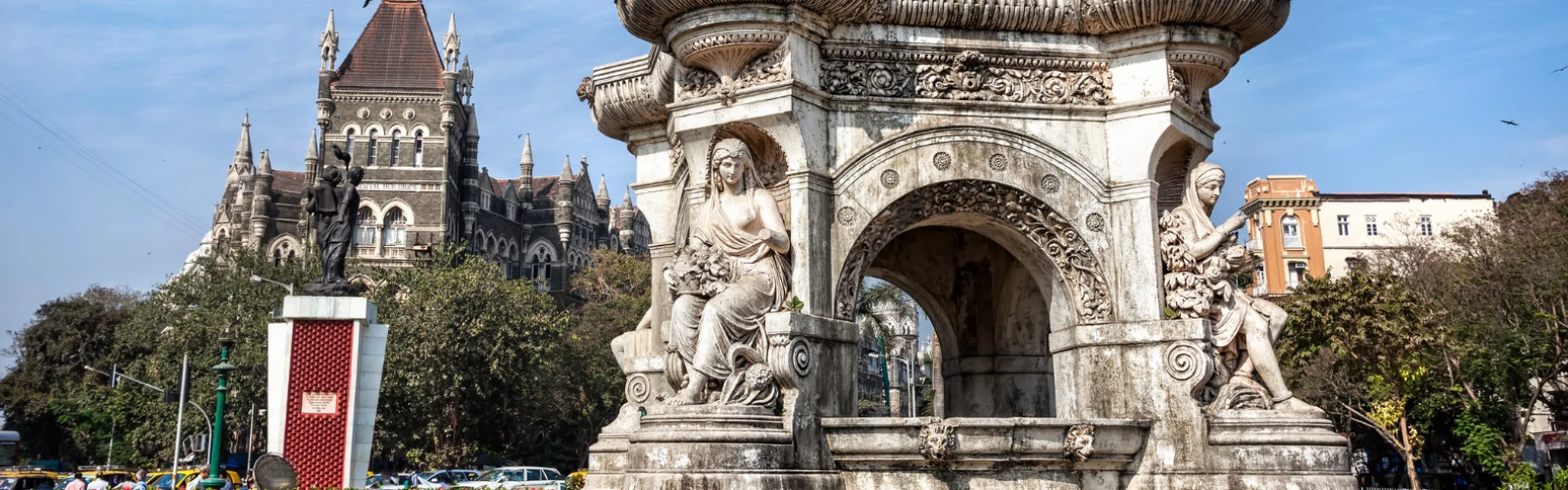
Exploring Mumbai’s Heritage: A Walking Tour Around Flora Fountain

Mumbai, the dynamic City of Dreams, is also a city layered with history and architectural grandeur. In the heart of the Fort district stands Flora Fountain, a magnificent structure from 1864 named after the Roman goddess of flowers. Crafted from imported Portland stone, this neoclassical masterpiece symbolizes British artistry and marks the beginning of Mumbai’s cultural and commercial journey.
Today, the Flora Fountain Heritage Walk invites you to explore colonial lanes, Gothic buildings, and cultural institutions that shaped Mumbai’s identity. It’s more than a stroll—it’s a step back into the city’s golden past. From timeless cathedrals to lively art spaces, the area captures the essence of both heritage and modernity. Whether you’re an architecture enthusiast, photographer, or first-time visitor, this walk promises a fascinating blend of history and urban charm.
Why Start Your Heritage Tour at Flora Fountain?
Flora Fountain is not just a monument—it’s a historical anchor of South Mumbai. Located at the intersection of Mahatma Gandhi Road and Dadabhai Naoroji Road, this fountain once formed the heart of colonial Bombay’s bustling business district. Its sculptural carvings, Roman motifs, and symmetrical design reflect the artistic brilliance of 19th-century British architects.
Starting your heritage trail from Flora Fountain means beginning at the nucleus of Mumbai’s transformation story. The monument offers easy access to several other iconic landmarks nearby—each narrating a different chapter of the city’s evolution.
Morning light accentuates the fountain’s elegance, while evenings bring a golden glow to its stone facade. It’s also a perfect photo spot surrounded by vintage architecture and modern energy. For first-time visitors, it provides the ideal orientation to South Mumbai’s cultural heartbeat and colonial-era charm.
Top Attractions to See Near Flora Fountain
A Flora Fountain walking tour is like exploring an open-air museum where every turn reveals a story from Mumbai’s colonial past. The Fort area is brimming with architectural marvels, each reflecting a different aspect of British-era design and Mumbai’s journey into modernity. Here are the must-visit stops along your heritage route:
1. Flora Fountain
At the heart of the walk stands Flora Fountain, an exquisite 19th-century monument that captures the city’s Victorian charm. Built in 1864 and named after the Roman goddess of flowers, the fountain is crafted from imported Portland stone and adorned with sculpted figures, floral motifs, and decorative details. Its neoclassical architecture is a perfect example of British artistry during colonial times. As dusk sets in, the fountain glows under soft lights, creating a magical ambiance ideal for photography. Today, it symbolizes the blend of history and modern Mumbai that continues to captivate both locals and tourists.
2. St. Thomas Cathedral
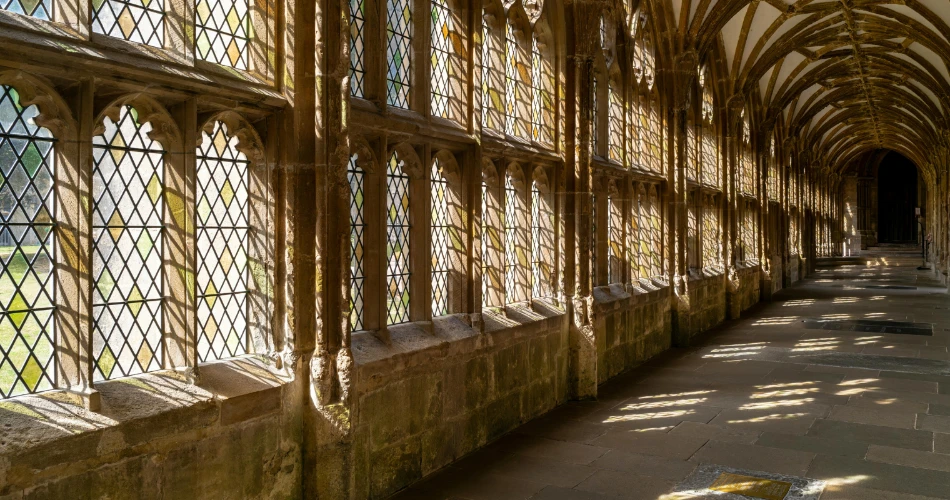
Just a five-minute walk from Flora Fountain, St. Thomas Cathedral stands as Mumbai’s oldest Anglican church, consecrated in 1718. Its serene white façade, Gothic arches, and intricately designed stained-glass windows offer a peaceful retreat from the city’s bustle. Inside, marble memorials and wooden pews tell stories of early British settlers and naval officers. The cathedral’s tranquil atmosphere and historic charm make it a spiritual and architectural highlight of the walk. Whether you’re a history enthusiast or a traveler seeking quiet reflection, this sacred space offers a timeless glimpse into Mumbai’s colonial soul.
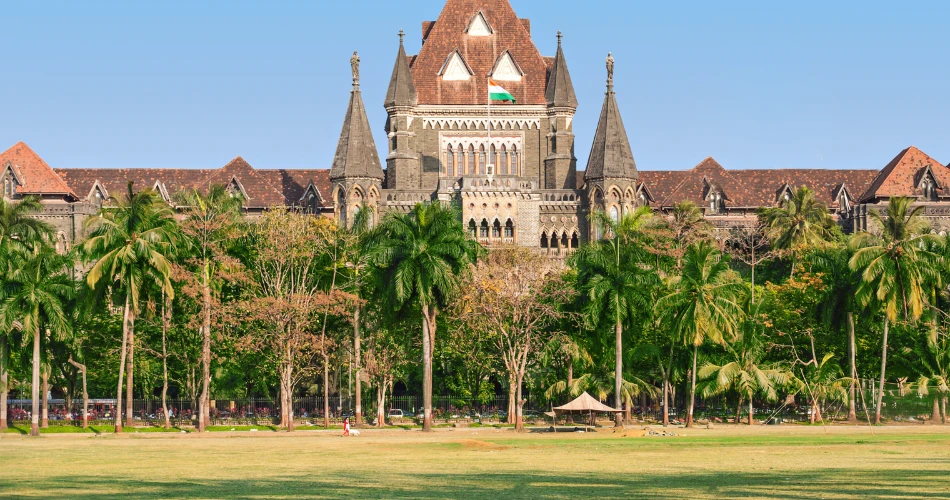
3. Bombay High Court
An architectural masterpiece of the Gothic Revival era, the Bombay High Court is one of Mumbai’s most striking heritage buildings. Constructed in the 19th century, its design resembles a medieval European castle, complete with tall turrets, arched corridors, and ornate windows. Even though public entry is limited, its exterior alone commands admiration for its grandeur and symmetry. The building not only serves as a vital legal institution but also stands as a symbol of justice and colonial-era craftsmanship. Viewing it during your walk gives you a deeper appreciation for Mumbai’s fusion of governance, architecture, and history
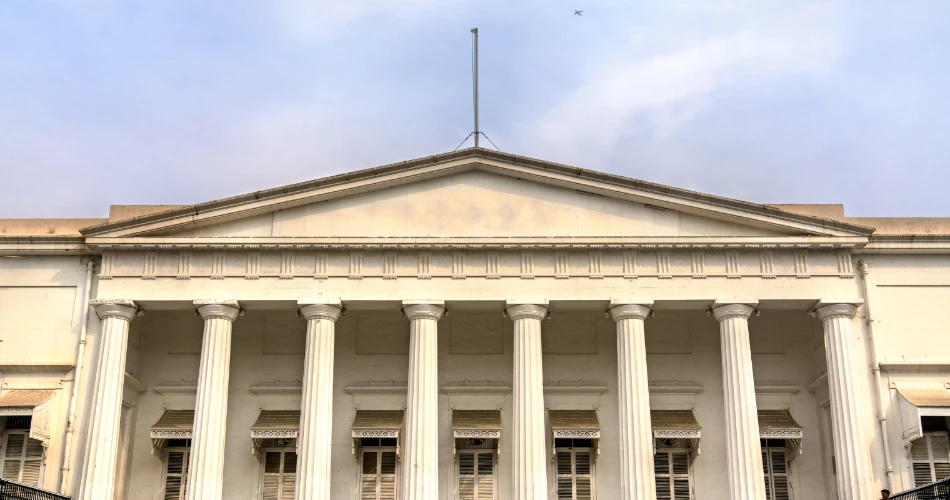
4. Asiatic Society Library
A short stroll from Flora Fountain brings you to the Asiatic Society of Mumbai, one of India’s oldest and most respected cultural institutions. Founded in 1804, the building is recognized by its sweeping flight of white steps and majestic Doric columns. Inside, it houses over 100,000 rare books, ancient manuscripts, and historical artifacts—including original maps and coins from the colonial era. This library is not just an architectural gem but also a living archive of India’s intellectual history. Its neoclassical beauty makes it a favorite spot for film shoots, photographers, and heritage lovers alike.
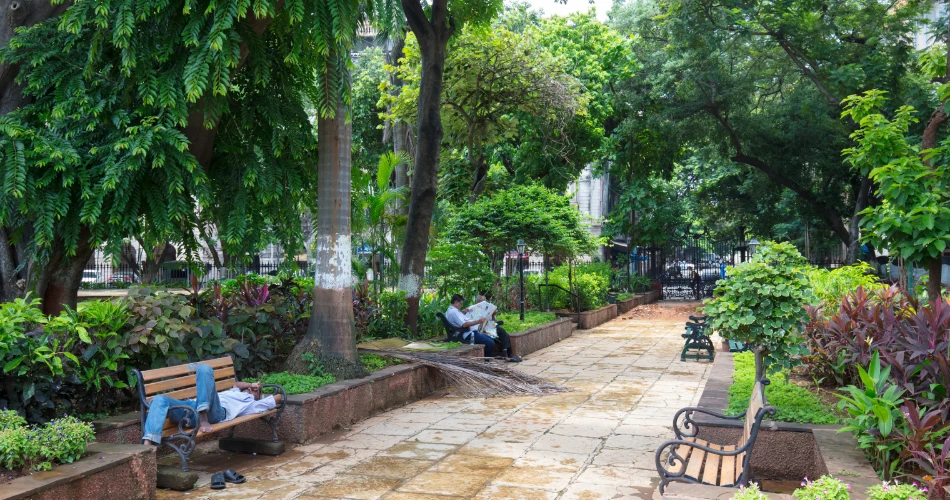
5. Horniman Circle Garden
Encircled by grand colonial-era buildings, Horniman Circle Garden serves as a peaceful green oasis in the heart of South Mumbai. Originally designed as a parade ground in the 18th century, it was later transformed into a lush park surrounded by commercial and cultural landmarks. The garden’s symmetrical layout and shaded pathways make it a popular rest stop during your heritage walk. Cultural events, open-air concerts, and art gatherings are often hosted here, adding a lively touch to its calm setting. Sitting under its old trees, you can almost hear the echoes of old Bombay blending with modern Mumbai’s pulse.
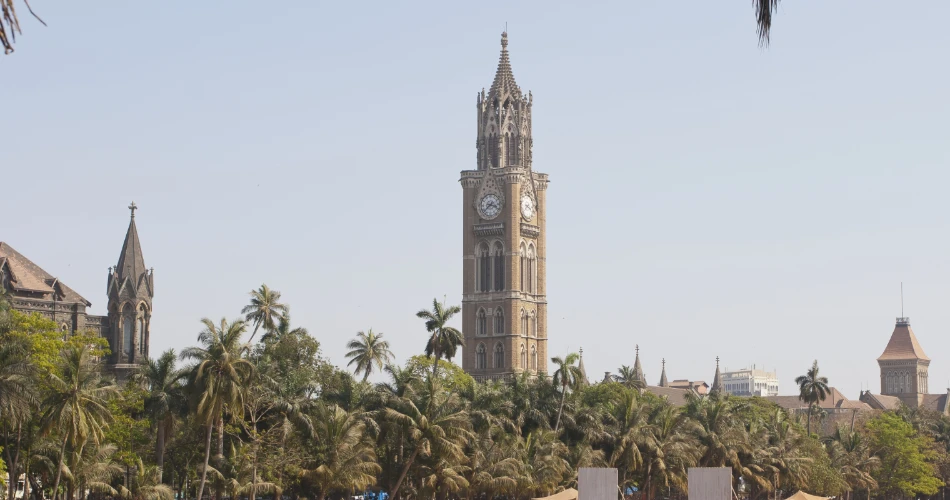
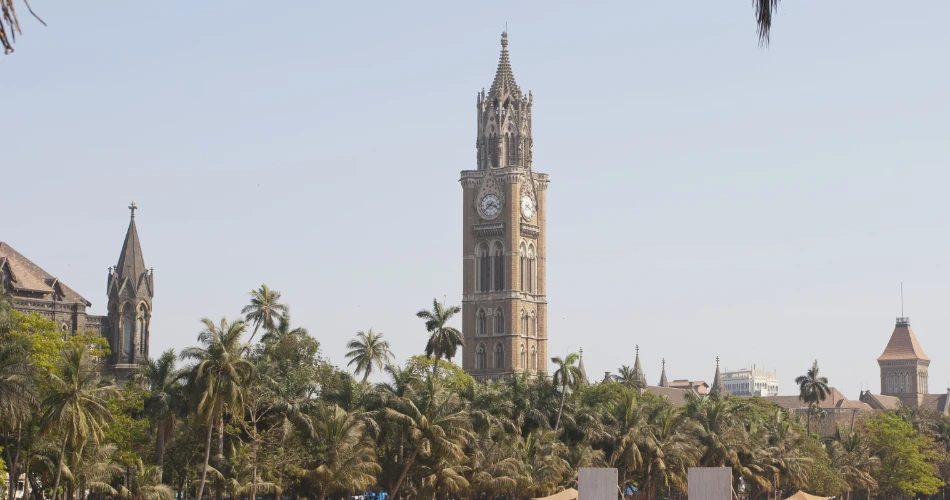
6. Rajabai Clock Tower
Located within the University of Mumbai campus, the Rajabai Clock Tower is one of the city’s most recognizable Gothic structures. Designed by British architect Sir George Gilbert Scott and completed in 1878, it was modeled after London’s Big Ben. Standing at about 85 meters tall, the tower is adorned with stained-glass windows and intricate stone carvings. Once famous for its hourly chimes, the tower still represents a timeless connection between Mumbai and its colonial heritage. Today, it draws photographers, history buffs, and students alike—offering breathtaking views of the surrounding skyline and the Arabian Sea beyond.
What to Do During Your Flora Fountain Walk
The Flora Fountain Heritage Walk isn’t just about architecture—it’s about experiencing Mumbai’s culture up close. Around Fort and Kala Ghoda, you’ll find an inviting mix of street life, art, and nostalgia.
Photography: Capture Mumbai’s colonial elegance through your lens. From arched windows and vintage lamp posts to street vendors and book stalls, every frame tells a story.
Café Hopping: Step into classic Irani cafés like Yazdani Bakery or Café Military. Relish bun maska, omelets, and chai amidst old-world interiors that preserve Mumbai’s culinary legacy.
Shopping & Books: Explore the street book markets near Flora Fountain or shop for art prints and vintage memorabilia in Kala Ghoda’s creative boutiques.
Art & Festivals: Visit in February for the Kala Ghoda Arts Festival—a celebration of music, art, and street performances that perfectly complements the heritage vibe of the area.
This lively mix of history and creativity makes the experience unforgettable and uniquely Mumbai.

Conclusion: Rediscover Mumbai Through Its Timeless Heritage
A heritage walk around Flora Fountain is a journey through Mumbai’s living history. From the elegant Gothic spires of the Bombay High Court to the calm interiors of St. Thomas Cathedral, every site tells a tale of transformation. The contrast between colonial facades and modern life highlights how Mumbai beautifully preserves its soul while moving forward.
Exploring this part of the city is not merely a tour—it’s an experience that bridges centuries. Between old cafés, libraries, and architectural wonders, you’ll discover why South Mumbai remains the cultural heart of India’s financial capital.
So, the next time you’re in Mumbai, take a few hours to wander through Flora Fountain’s storied lanes. It’s where the past meets the present—and where every step echoes history.

About Author
Isla is known as one of the best female solo travel bloggers today. She has been to Europe, UAE, and America and has penned down her experience in her blogs to inspire other travel enthusiasts.