Art and Heritage at Chhatrapati Shivaji Maharaj Museum, Mumbai

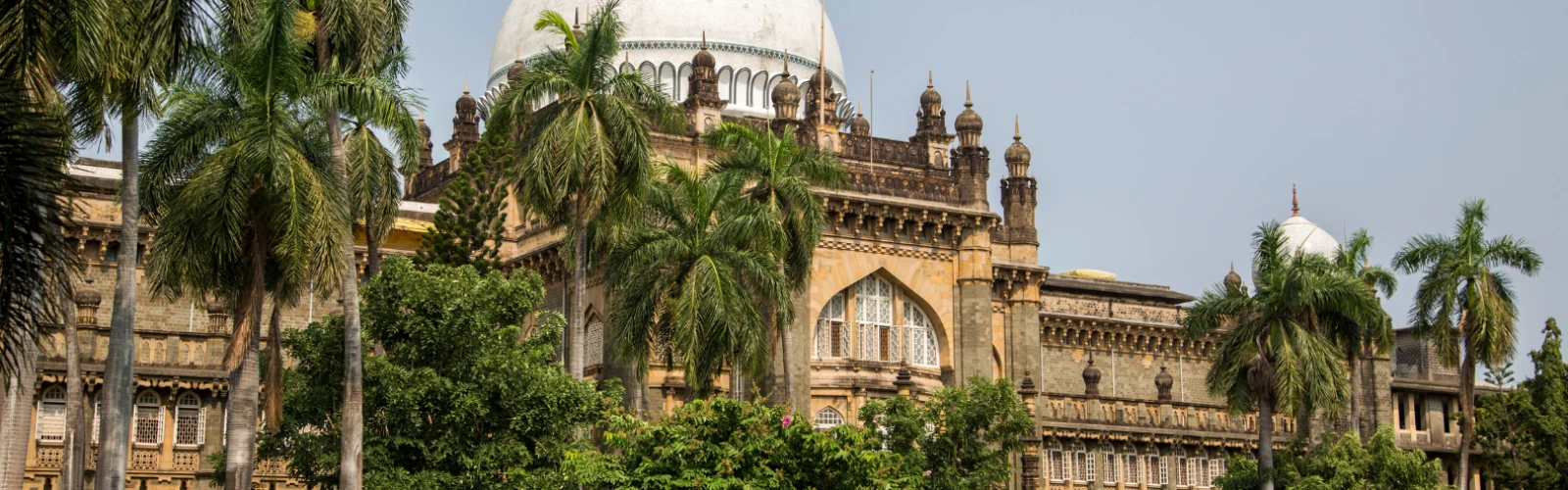
Nestled amid the lively streets of Mumbai, the Chhatrapati Shivaji Maharaj Vastu Sangrahalaya (CSMVS), formerly the Prince of Wales Museum, stands as a symbol of India’s vast cultural and historical wealth. This magnificent institution preserves not just India’s artistic legacy but also celebrates global civilizations. Whether you are a lover of art, a student of history, or a traveler seeking depth, CSMVS offers an immersive experience of timeless artistry, heritage, and human creativity.
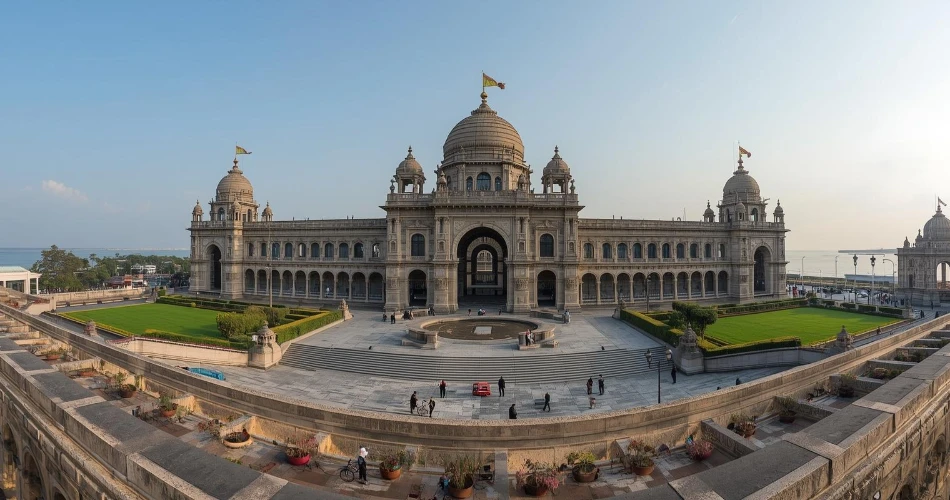
The museum’s majestic Indo-Saracenic architecture, crowned with domes and intricate carvings, mirrors the fusion of Mughal, Maratha, and British design sensibilities. Inside, its vast collection of over 70,000 artifacts narrates India’s evolution through the ages—unfolding stories of empires, craftsmanship, and cross-cultural influences. A visit here is more than sightseeing; it’s a journey into the heart of India’s identity.
A Legacy of Culture and History
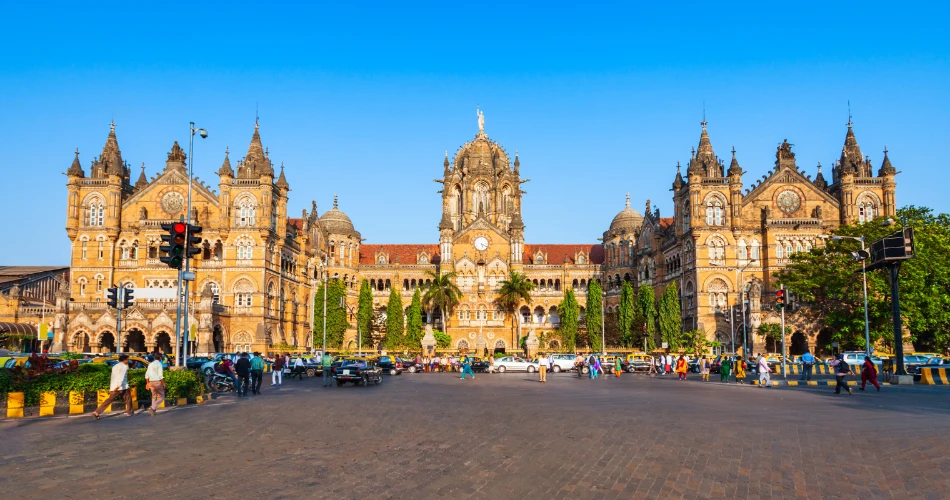
The Chhatrapati Shivaji Maharaj Museum is not merely a repository of objects—it is a living archive of India’s glorious civilization. Built in the early 20th century, it stands as a historical landmark reflecting the artistic and intellectual progress of the subcontinent. The museum’s galleries span disciplines like archaeology, natural history, numismatics, and fine arts, each offering an insightful perspective on different eras.
The very structure of the museum evokes grandeur—its domes inspired by Gol Gumbaz, the arched corridors reminiscent of Mughal aesthetics, and detailed stonework paying tribute to Maratha artistry. Inside, visitors encounter relics that narrate tales of kings, scholars, and artisans who shaped the nation’s soul. Every display—from ancient seals to temple sculptures—bridges the gap between the past and present, allowing modern audiences to connect with their roots.
Sculptures and Archaeological Wonders
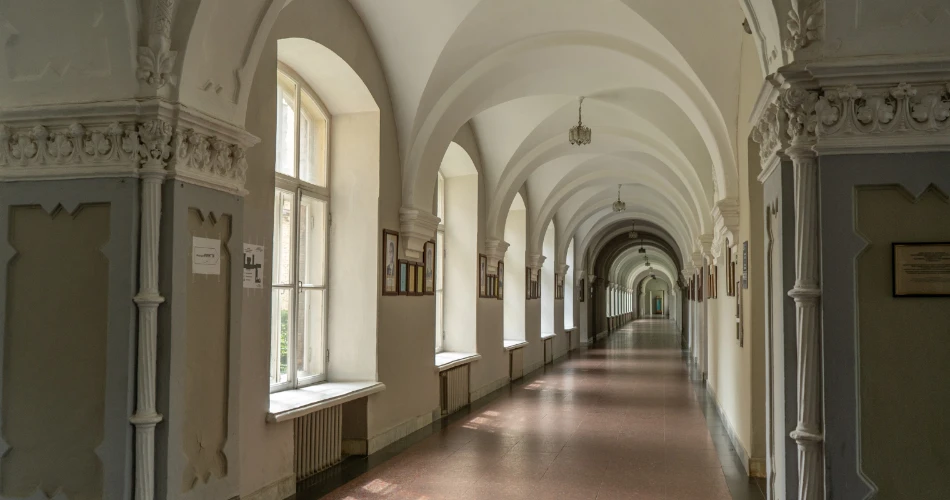
One of the most enchanting highlights of CSMVS is its collection of ancient Indian sculptures and archaeological relics. These masterpieces, carved in stone and cast in bronze, date back to the Gandhara, Gupta, and Chola dynasties. Each sculpture captures India’s deep spiritual and philosophical essence—depicting deities, mythological figures, and scenes from epics like the Mahabharata and Ramayana.
The Gandhara collection showcases Greco-Buddhist influences, while Gupta-era pieces represent the zenith of classical Indian art with their serene, divine expressions. Chola bronzes, on the other hand, display intricate detailing and devotion. Together, these artifacts not only reflect technical excellence but also narrate India’s evolution in aesthetics and thought. Visitors leave this gallery with a profound appreciation for the skill, devotion, and symbolism behind every creation.
Decorative Arts and India’s Textile Heritage
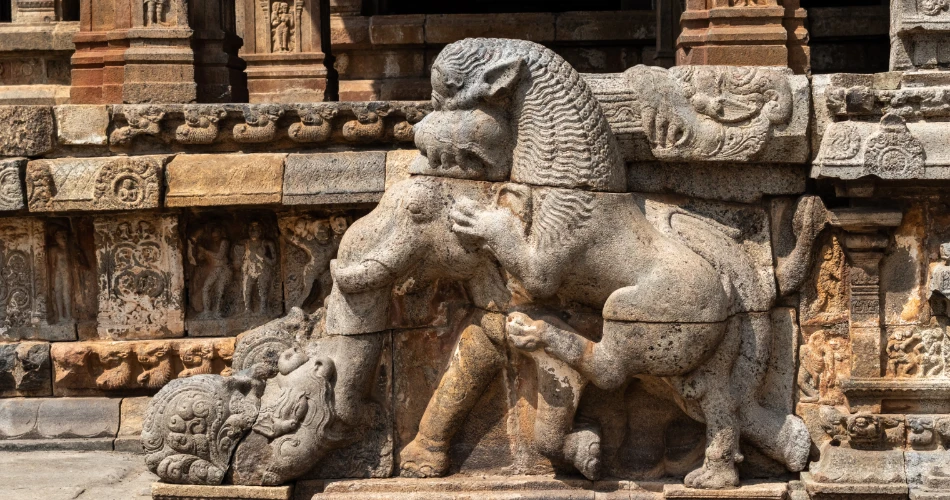
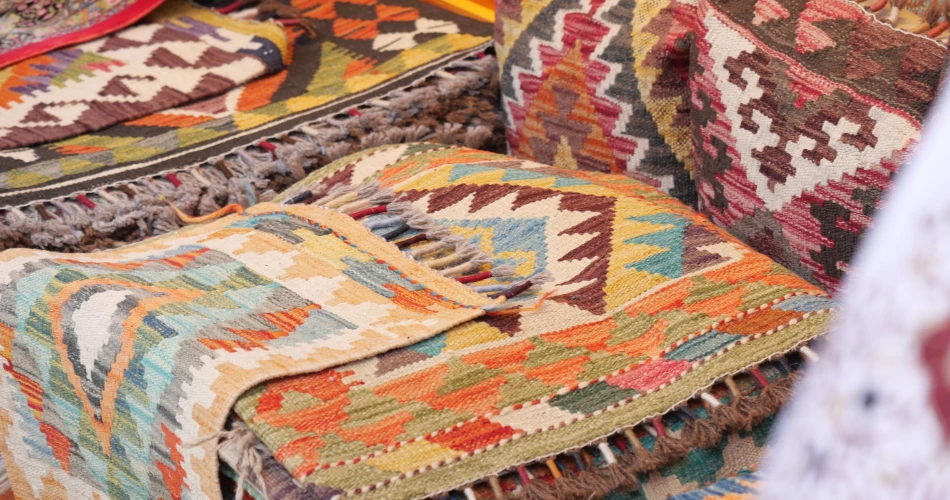
India’s tradition of artistry and craftsmanship finds glorious expression in the decorative arts and textile galleries of the museum. These exhibits celebrate India’s diverse regional skills—from ornate ivory carvings and fine jade work to enameled jewelry and royal metalwork. Every object tells a story of luxury, devotion, and everyday beauty.
The textile section is a vibrant journey through India’s weaving heritage, displaying rare silks, handspun cottons, brocades, and embroidered garments. From Mughal zari patterns to Rajasthani block prints and Kashmiri pashminas, each textile represents centuries of skill passed through generations. This gallery is a testament to India’s unmatched mastery of fabric and design—showing how textiles became both cultural identity and artistic expression.
Miniature Paintings and Illuminated Manuscripts
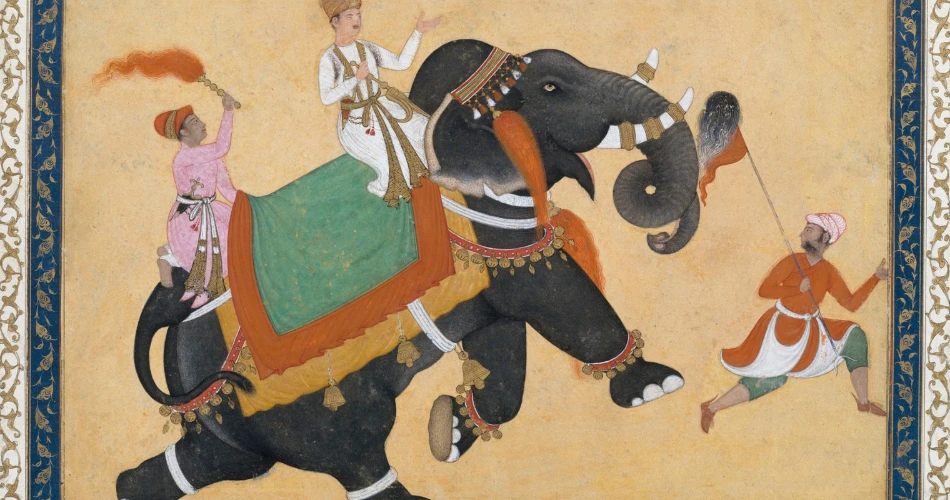
The miniature paintings gallery is one of the museum’s most captivating spaces. It houses exquisite works from the Mughal, Rajasthani, and Pahari schools, each illustrating scenes from royal courts, legends, and daily life with delicate brushwork and vibrant natural pigments. The attention to detail—whether in the fold of a robe or the sparkle of a gem—reveals the artistic precision of medieval India.
Accompanying these are ancient manuscripts inscribed in Sanskrit, Persian, and regional languages. These hand-illustrated texts, some adorned with gold leaf, reflect India’s intellectual and literary depth. They not only preserve knowledge but also represent the aesthetic fusion of calligraphy and painting. For art lovers and historians, this section offers a mesmerizing glimpse into the refinement of India’s visual storytelling tradition.
Natural History and International Exhibits
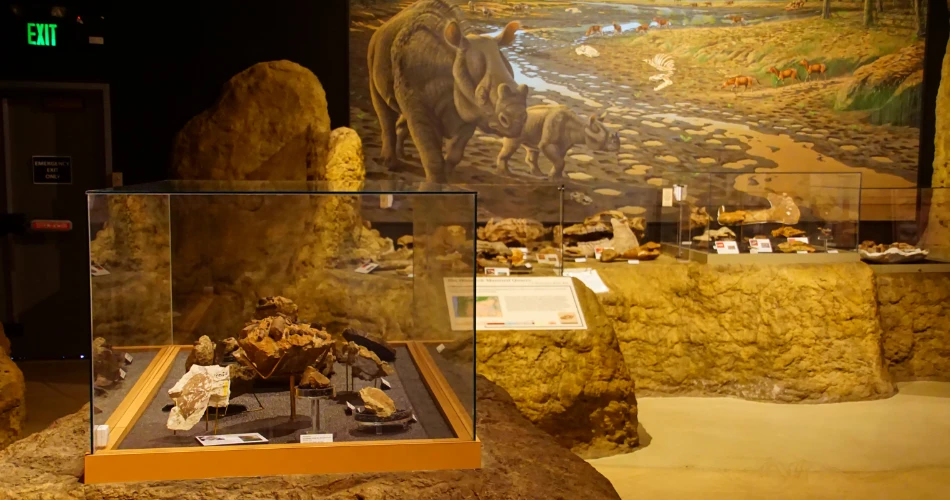
The natural history section at CSMVS adds a scientific dimension to the museum’s cultural richness. It showcases preserved animal specimens, fossils, and geological displays that reveal the story of Earth’s evolution and biodiversity. Visitors, especially children, find this gallery both educational and fascinating.
Beyond India, the museum also houses global collections—including Egyptian mummies, Japanese ceramics, and Chinese art. These international exhibits make CSMVS not just a national treasure but a global cultural bridge. They highlight the museum’s commitment to knowledge exchange and cross-cultural understanding, presenting humanity’s shared journey across continents and civilizations.
Engaging Experiences Beyond the Galleries
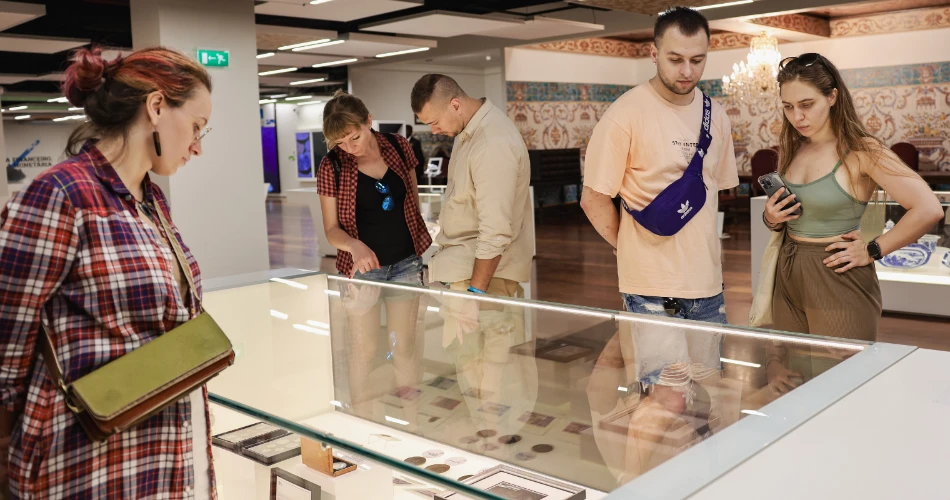
A visit to the Chhatrapati Shivaji Maharaj Museum extends far beyond admiring displays—it’s an interactive learning experience. The museum regularly hosts temporary exhibitions, digital installations, and heritage workshops that breathe new life into history.
Guided tours and audio walks help visitors explore deeper narratives behind exhibits. Educational programs, art restoration sessions, and expert lectures connect scholars, students, and art enthusiasts. After exploring, visitors can unwind at the museum café or browse through the souvenir shop for books, replicas, and crafts inspired by India’s heritage. Every element is designed to make art and history accessible, engaging, and memorable.
Why You Should Visit This Mumbai Icon
A visit to CSMVS Mumbai is a journey through centuries of art, culture, and history. It stands not only as a tourist destination but as a spiritual and educational experience. The museum reflects India’s resilience, creativity, and openness to global influences.
Located conveniently near Gateway of India and Marine Drive, it forms part of Mumbai’s cultural triangle. Whether you are a resident rediscovering your roots or a traveler exploring India’s artistic soul, this museum promises an inspiring encounter with beauty, history, and humanity.
Visitor Information
-
Location: Mahatma Gandhi Road, Fort, Mumbai
-
Timings: 10:15 AM – 6:00 PM (Closed on select holidays)
-
Entry Fee: Affordable rates for Indians and foreigners; concessions for students and children
-
Best Time to Visit: November to February for comfortable weather and easy exploration
Plan your visit to combine the museum tour with nearby attractions for a complete cultural experience.

Conclusion: Mumbai’s Cultural Crown Jewel
The Chhatrapati Shivaji Maharaj Museum stands as a shining tribute to India’s timeless art and history. Every sculpture, textile, and painting inside speaks of a civilization that valued creativity, spirituality, and learning. The museum seamlessly connects India’s glorious past with its vibrant present, inspiring generations to cherish and preserve their cultural roots.
Whether you are an art admirer, a student, or a traveler, a visit to CSMVS is an essential experience—a journey through India’s artistic heart and historical soul, nestled in the dynamic rhythm of Mumbai.

About Author
Isla is known as one of the best female solo travel bloggers today. She has been to Europe, UAE, and America and has penned down her experience in her blogs to inspire other travel enthusiasts.